
What is placenta encapsulation?
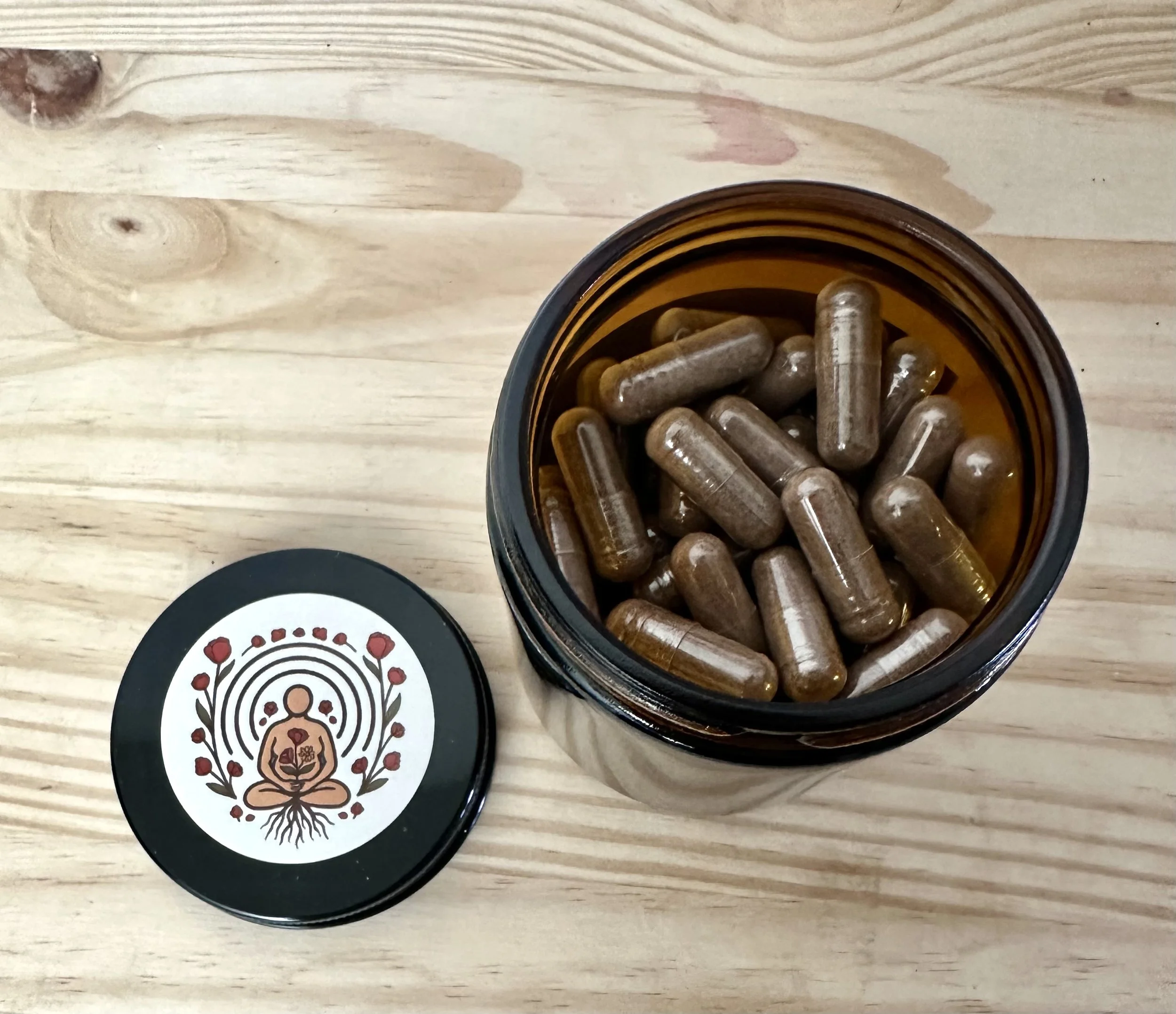
Placenta encapsulation is the process of preparing your placenta after birth so you can safely and conveniently consume it. The placenta is first cleaned, with the membranes and umbilical cord removed, then dehydrated, ground, and placed into capsules. Taking the placenta in this form is known as placentophagy.
Many mammals naturally consume their afterbirth, and humans can benefit from doing the same. The placenta is rich in hormones, nutrients, and proteins that support healing, boost milk production, help prevent “baby blues” and postpartum depression, replenish iron stores, and promote overall wellness.
While some people choose to consume the placenta raw in smoothies or cooked in meals, most find this unappealing. Encapsulation provides a simple, palatable way to reap the benefits—just take the capsules like any other supplement. By reintroducing these vital nutrients, placenta encapsulation can help restore balance, increase energy, support lactation, and ease the transition into the postpartum period.
How the Human Placenta Supports Your Postpartum Wellness
Estrogen, Progesterone, Testosterone
Support mammary gland development for lactation, stabilize postpartum mood, and help regulate uterine cramping after birth.
Prolactin
Promotes milk production, enhances lactation, and supports the mothering instinct.
Oxytocin
Reduces pain, strengthens mother-infant bonding, counteracts stress hormones like cortisol, minimizes postpartum bleeding, and supports the breastfeeding let-down reflex.
Placental Opioid-Enhancing Factor (POEF)
Stimulates your body’s natural opioids, including endorphins, to reduce pain and enhance well-being.
Thyroid Stimulating Hormone
Regulates the thyroid gland, helping to boost energy levels.
Corticotropin-Releasing Hormone (CRH)
Helps regulate mood and may reduce the risk of postpartum depression.
Cortisone
Reduces inflammation and swelling, supporting overall healing.
Interferon
Activates the immune system to help fight infection.
Prostaglandins
Aid uterine contractions after birth, helping the uterus return to its pre-pregnancy size.
Iron
Replenishes iron stores to combat anemia, increase energy, and reduce fatigue.
Hemoglobin
Carries oxygen in the blood, providing a natural energy boost.
Urokinase Inhibiting Factor and Factor XIII
Helps stop bleeding and supports wound healing.
Immunoglobulin G (IgG)
Antibodies that strengthen the immune system.
Human Placental Lactogen (hPL)
Promotes mammary gland growth for lactation and helps regulate maternal glucose, protein, and fat levels.
Further Reading on Placenta Encapsulation
For those interested in exploring the research behind placenta consumption and its potential benefits, here are some studies:
These studies provide insights into the hormones, nutrients, and reported experiences associated with placenta encapsulation.